Source Low Speed Dental Straight Handpiece for Orthodontics, Restorations, and Polishing
Find and compare 30 Low Speed Dental Straight Handpiece options from verified manufacturers. Evaluate key attributes such as ISO certification, stainless steel construction, and gland or wrench loading types to select the right tool for clinical use.
Key considerations
Products List


Dental Straight Handpiece with Contra Angle, Air Motor Low Speed Handpiece
$80.00 - $95.00
MOQ: 1 Pieces


Dental Low Speed Dental Handpiece Left&Right Straight Head Saw Handpiece
$98.00 - $118.00
MOQ: 1 Pieces

Dental Low Speed Handpiece 17 Degree Left&Right Straight Head Handpiece
$90.00 - $110.00
MOQ: 1 Pieces






Comprehensive Sourcing Guide
Low Speed Dental Straight Handpiece Sourcing Guide
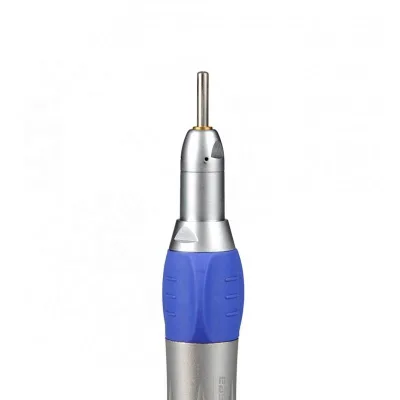
Procuring a low-speed dental straight handpiece requires a clear understanding of the specific mechanical and operational constraints inherent to Class I dental instruments. These devices are primarily designed for non-disposable applications where durability and precise torque control are paramount for procedures involving adult and pediatric patients. The observed market data indicates a distinct separation between low-speed and high-speed units, with the former often featuring a 1:1 ratio and operating within a specific rotational speed range of 16,000 to 20,000 revolutions per minute. Buyers must distinguish these units from high-speed counterparts, which typically utilize different chuck mechanisms and exhaust systems, to ensure the selected tool matches the intended clinical workflow.
The sourcing landscape for these instruments reveals a diverse range of configurations, including variations in water delivery channels and loading mechanisms that directly impact maintenance and sterilization protocols. While some units are designed with an inner channel for water delivery and a gland type loading system, others may feature outer channels or wrench-type loading, necessitating a careful review of the product specifications before finalizing a purchase order. The availability of customization options and the presence of online technical support suggest that suppliers are increasingly focused on providing tailored solutions, yet the core mechanical attributes such as the stainless steel construction and the requirement for a 135-degree sterilization temperature remain consistent critical factors for operational safety.
Product Scope and Observed Listing Signals
When evaluating product listings, buyers should look for specific signals that confirm the item is a genuine low-speed straight handpiece rather than a generic dental accessory. The presence of a defined SKU, such as 1105200114 or 122003063/4, serves as a primary identifier for traceability and inventory management, ensuring that the specific model ordered matches the technical requirements of the dental practice. Listings that explicitly state "Non-Disposable" and "New" condition are essential, as these attributes confirm the instrument is built for repeated clinical use and has not been previously utilized or compromised. The observation of a "Low-Speed Handpiece" designation in the product attributes is the most reliable indicator of the device's intended function within the dental operatory.
The physical configuration of the handpiece, including the number of holes and the type of chuck, provides immediate insight into its compatibility with existing dental equipment and sterilization workflows. Some observed models feature a push-button chuck type with two holes, while others may offer four holes or a middle head diameter, indicating different levels of versatility for various clinical scenarios. The exhaust method, whether it is internal or external, is a critical differentiator that affects the comfort of the patient and the cleanliness of the treatment area. Buyers must verify that the listed "Without Light" attribute aligns with their practice's lighting needs, as some handpieces integrate illumination while others rely on external sources.
Technical Specifications to Verify
Verifying the technical specifications of a low-speed dental straight handpiece is essential to ensure it meets the rigorous demands of daily clinical use. The air pressure requirement, typically observed in the range of 245-392 kPa, must be compatible with the dental unit's compressor output to prevent under-performance or mechanical stress on the internal bearings. The rotational speed, which can vary between 16,000 and 20,000 r/min for certain models, should be confirmed against the manufacturer's specifications to ensure it delivers the necessary torque for cutting and polishing without generating excessive heat. The noise level, ideally less than 70dB, is another critical parameter that impacts the patient experience and the overall acoustic environment of the dental clinic.
The material composition and connection type are fundamental to the longevity and safety of the instrument. Stainless steel construction is a standard requirement, providing the necessary corrosion resistance and structural integrity to withstand repeated sterilization cycles. The connection method, often noted as "Without Quick Connector" in specific listings, implies a need for a specific coupling system that must be compatible with the dental unit's hose and fitting standards. Additionally, the loading way, whether it is a gland type or wrench type, dictates the ease of bur insertion and removal, which directly influences the efficiency of the dental procedure. Buyers should also verify the sterilization temperature capability, ensuring the handpiece can withstand the standard 135 Centigrade required for effective autoclaving.
Compliance and Safety Documentation
Compliance with international standards is a non-negotiable aspect of sourcing dental instruments, particularly for Class I medical devices. The presence of ISO and CE certifications in the product documentation serves as a baseline indicator that the manufacturer adheres to recognized quality management and safety protocols. While specific standards like ISO 13485 are often referenced in the broader industry, buyers must ensure that the specific product listing explicitly confirms these certifications rather than relying on general industry assumptions. The classification of the instrument as Class I further simplifies the regulatory burden, but it does not exempt the product from rigorous testing and quality assurance requirements.
Safety documentation must also address the operational parameters that protect both the patient and the dental professional. The exhaust way, whether internal or external, must be clearly documented to ensure that aerosols and debris are managed effectively during procedures. The product standard, such as 1020-M4(SIN-01C), provides a specific reference point for the design and manufacturing criteria that the handpiece must meet. Buyers should request detailed test results or compliance certificates that verify the noise levels, air pressure tolerance, and sterilization resistance of the specific model. Without these documents, the risk of acquiring a non-compliant or unsafe instrument increases significantly, potentially leading to regulatory issues or clinical failures.
Cost Drivers and Commercial Terms
The cost of a low-speed dental straight handpiece is influenced by a combination of material quality, manufacturing complexity, and the level of customization offered. The observed price range of 8.5 to 277 USD reflects the diversity in product features, from basic models to those with advanced specifications like high-grade quality or specialized packing. The "a+ Grade" designation often correlates with a higher price point, indicating superior materials and tighter tolerances that justify the investment for high-volume practices. Buyers should analyze the cost per unit in the context of the expected lifespan and maintenance requirements, as a lower initial price may result in higher long-term costs due to frequent replacements or repairs.
Commercial terms, including the minimum order quantity (MOQ) and lead time, play a crucial role in the procurement strategy. The observed MOQ range of 1 to 50 units allows for flexibility, enabling practices to start with small orders to test product performance before committing to larger volumes. The packing method, whether it is a standard carton or a specialized carton for low-speed handpieces, can also impact shipping costs and the condition of the product upon arrival. Buyers should negotiate terms that include cargo tracking and after-sales support, such as online technical assistance, to mitigate the risks associated with supply chain disruptions or product defects.
Supplier Qualification and Quality Control
Selecting a qualified supplier is critical for ensuring the consistent quality and reliability of low-speed dental straight handpieces. The origin of the product, often listed as Henan, China (Mainland) or simply China, provides context for the manufacturing base, but it does not guarantee quality on its own. Buyers should prioritize suppliers who offer comprehensive after-sales services, including online technical support, to address any operational issues that may arise. The availability of customization options suggests that the supplier is capable of adapting their production processes to meet specific client needs, which is a strong indicator of a mature and responsive manufacturing operation.
Quality control measures must be rigorously applied to every batch of handpieces to ensure they meet the specified standards and performance criteria. The "New" condition and "Non-Disposable" attributes must be verified through physical inspection or third-party testing to confirm that the instruments are free from defects and ready for immediate clinical use. The standard of 1 pc/pack or similar packaging specifications should be adhered to strictly to prevent damage during transit. Buyers should also verify the supplier's ability to provide consistent product models, such as the 1105200114 or 122003063/4, to maintain continuity in their inventory and clinical workflows.
Long-Term Procurement Checks
Establishing a long-term procurement strategy for low-speed dental straight handpieces requires a focus on sustainability and continuous quality assurance. The availability of cargo tracking and online technical support are essential components of a robust supply chain that can adapt to changing market conditions and clinical demands. Buyers should regularly review the performance of the handpieces in clinical settings to ensure they continue to meet the required standards for noise, speed, and sterilization resistance. The "a+ Grade" quality designation should be maintained over time, with periodic audits or inspections to verify that the manufacturing processes have not degraded.
Future procurement decisions should be informed by the evolving needs of the dental practice and the technological advancements in handpiece design. The ability to customize the product, such as adjusting the number of holes or the loading mechanism, will become increasingly important as practices seek to optimize their workflows. Buyers should maintain a close relationship with their suppliers to stay informed about new standards, such as updates to ISO or CE requirements, and to ensure that their inventory remains compliant with the latest regulations. By focusing on these long-term checks, practices can ensure a steady supply of high-quality, reliable low-speed dental straight handpieces that support their clinical excellence.
FAQs
What is the rotating speed of the low speed handpiece?
The low speed handpiece operates at a rotating speed between 16,000 and 20,000 revolutions per minute. This specific range ensures optimal performance for dental procedures requiring controlled torque and precision during operation.
Can the product be customized for specific needs?
Yes, customization is available for this dental handpiece to meet specific requirements. Buyers can request tailored specifications while maintaining the core quality standards and functional attributes provided in the product listing.
What material is used to construct the handpiece?
The handpiece is constructed from high-quality stainless steel to ensure durability and resistance to corrosion. This material choice supports long-term reliability and ease of sterilization in clinical environments.
How is the handpiece loaded and secured?
The device features a gland type loading way for secure attachment of burs. This mechanism ensures stability during operation and allows for quick changes between different dental instruments as needed.
What is the noise level during operation?
The noise level is less than 70 decibels during operation, providing a quieter working environment. This low noise characteristic helps reduce patient anxiety and improves communication between the dentist and the patient.
What certifications does the product hold?
The product holds ISO and CE certifications, indicating compliance with international safety and quality standards. These certifications ensure the device meets rigorous requirements for medical instruments used in dental practices.
What is the sterilization temperature requirement?
The handpiece requires a sterilization temperature of 135 degrees Celsius for effective cleaning. This high temperature ensures the removal of pathogens and maintains hygiene standards required for medical instruments.
Where is the product manufactured?
The product originates from Henan, China Mainland, where it is manufactured for global distribution. This location supports the supply chain and ensures consistent production quality for all units shipped to buyers.